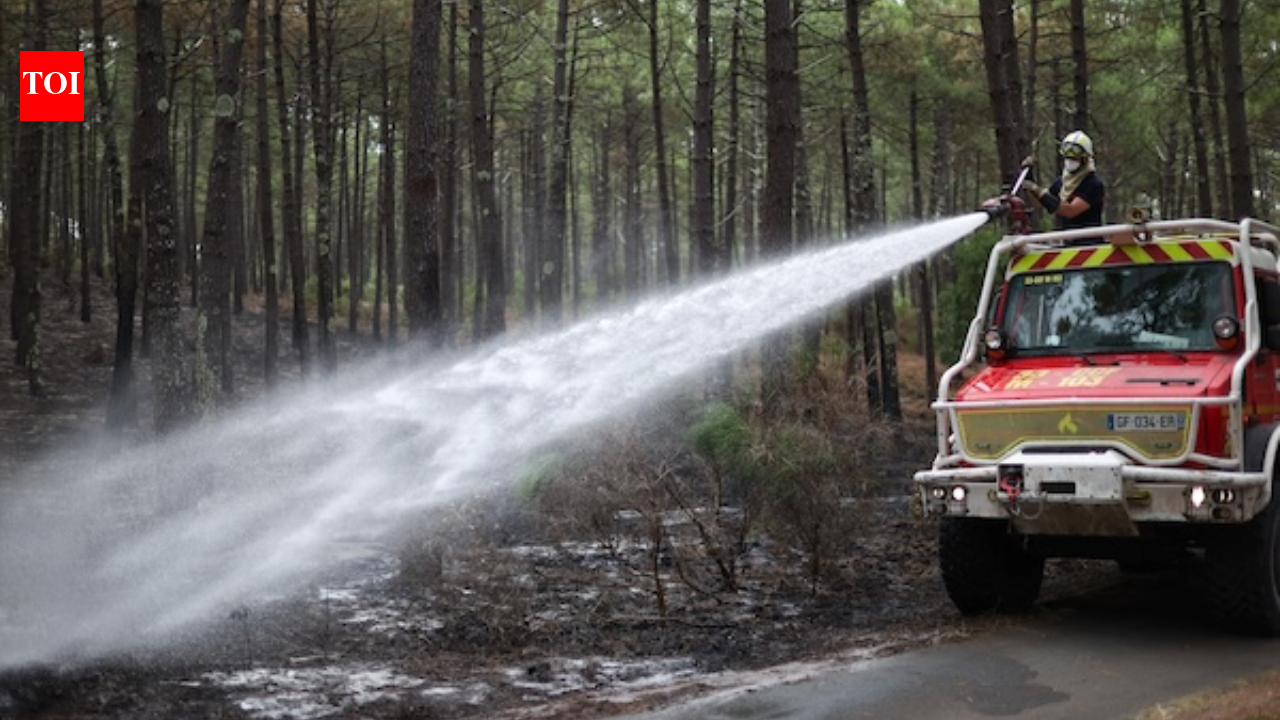
Introduced for forage and soil conservation, sericea lespedeza later spread through the US prairies while mature plants were largely avoided by grazing cattle
Introduced sericea lespedeza now impacts prairie ecosystems across the United States. Researchers found that its residues reduce germination in several important prairie grass species. However, established grasses showed no significant growth reductions under experimental conditions. This suggests the plant's allelopathic effects are strongest during early development stages. The study highlights varied grass responses to sericea lespedeza compounds.
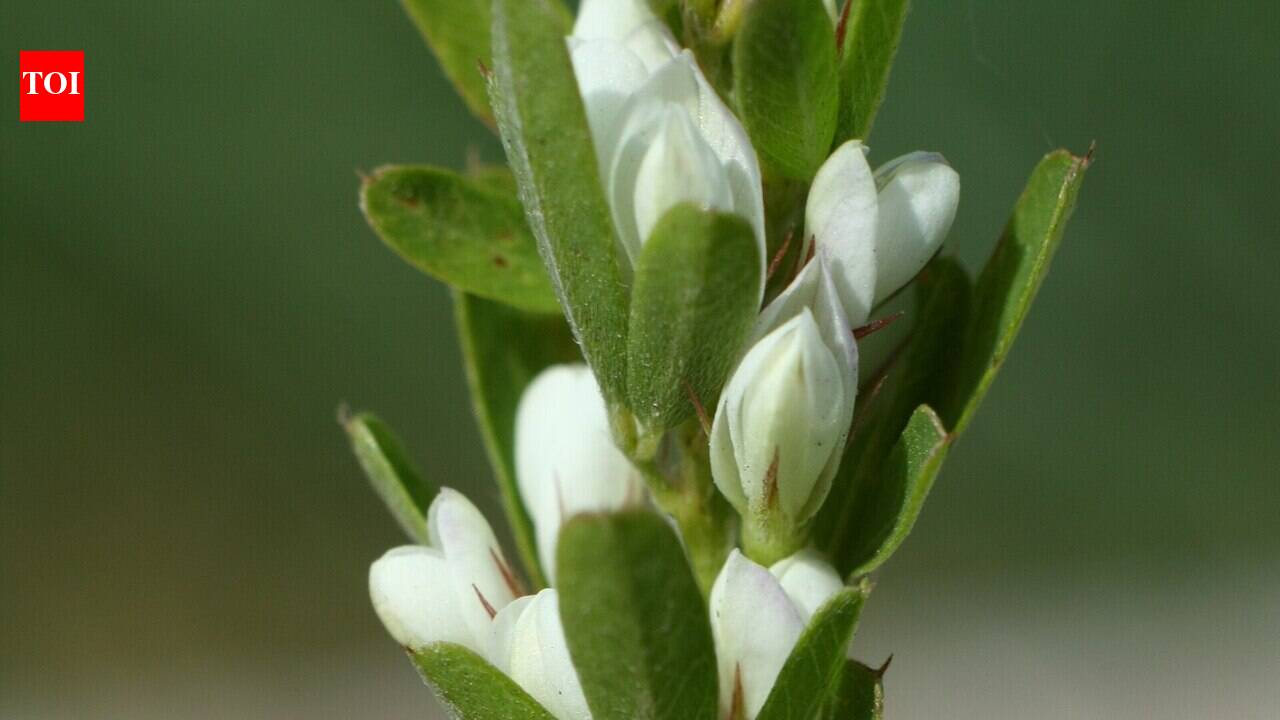
Introduced sericea lespedeza now impacts prairie ecosystems across the United States. Researchers found that its residues reduce germination in several important prairie grass species. However, established grasses showed no significant growth reductions under experimental conditions. This suggests the plant's allelopathic effects are strongest during early development stages. The study highlights varied grass responses to sericea lespedeza compounds.