Indian Express column by Samajwadi Party spokesperson goes on a speculation overdrive on Iran-US war, predicts doom and destruction in India, so BJP loses power
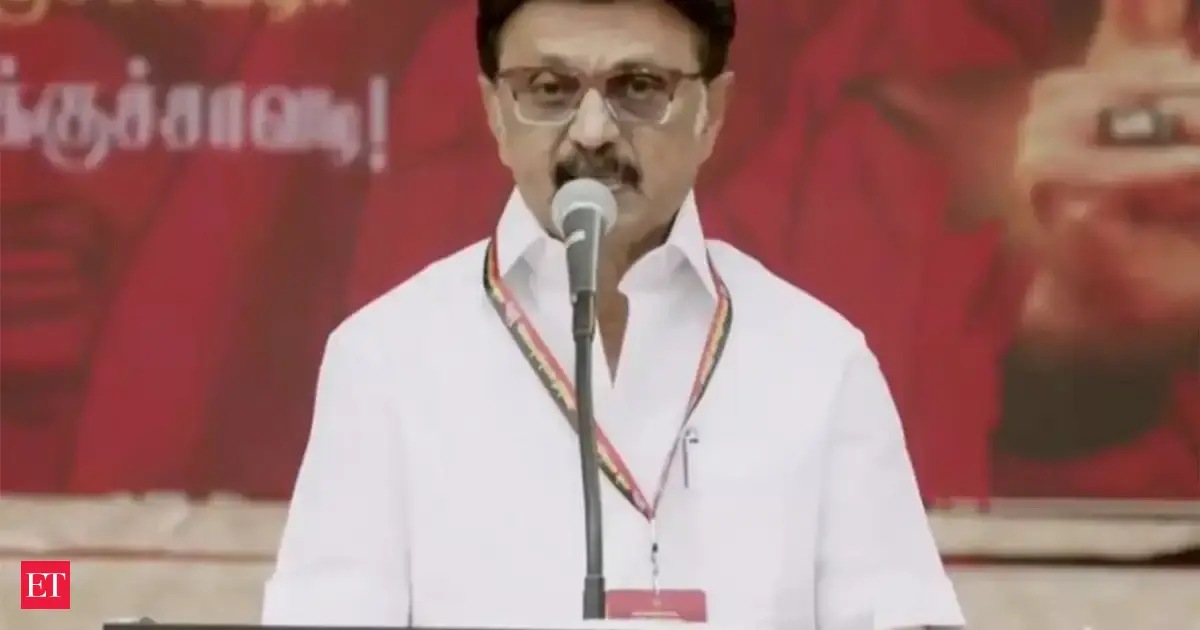
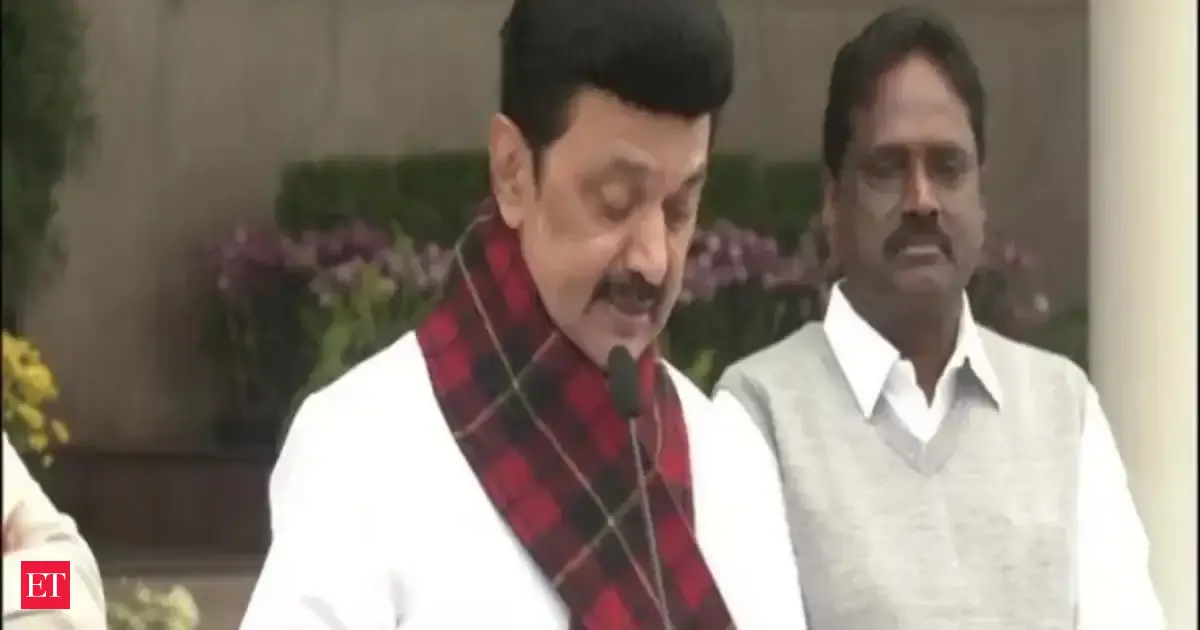
Narendra Modi has been India’s Prime Minister for over a decade now. The BJP-led NDA government has received immense public support, as evidenced by three consecutive general election victories. Until a slight setback in the 2024 Lok Sabha elections, where the BJP stopped short of a single-party majority, even the opposition had seemingly made peace with the fact that PM Modi is invincible. In every issue, domestic or international, the opposition has since then been desperately hoping for a ‘Black Swan’ event that can lead to Modi-BJP’s downfall. For Samajwadi Party spokesperson, Ghanshyam Tiwari, the Iran war is that ‘Black Swan’ event. In an opinion piece published in The Indian Express on 6th March, the ‘socialist’ politician demonstrated his sciolistic understanding of the impact of the ongoing Israel-US versus Iran war on India, particularly the BJP. “From the lens of Indian politics, the dangerous, pre-planned and illegitimate attack of the US and Israel on Iran, leading to the assassination of Ayatollah Ali Khamenei, the Supreme Leader of Iran, could prove to be such a Black Swan event for the BJP,” Ghanshyam Tiwari wrote in the article titled, “West Asia crisis may just be the Black Swan Event that hurts the BJP in India”. The Samajwadi Party spokesperson accused the Modi government of “failing to warn” nearly 1 million Indian expatriates in the Gulf, despite being in contact with the US President and officials, and having warm relations with the Israeli PM as well as the leaders of the Gulf countries. “Yet, the Government of India did nothing to warn the nearly one crore Indians in Dubai and elsewhere in the Gulf. This has the makings of a black swan, where those impacted are blissfully unaware, and those who are aware and responsible do not warn,” Tiwari wrote. This is a shrewd attempt by the Samajwadi Party leader to portray the Modi government’s balanced approach towards the conflict in the Middle East as incompetent. It is not just about the imaginary failure to warn Indian expatriates in the Gulf, but essentially a part of the Muslim-appeasing opposition’s pressure campaign to make India side with Iran in the ongoing conflict. For now, however, we will stick to Tiwari’s core accusation that the Modi government “did nothing to warn or protect” nearly 10 million Indian expatriates, with around 4 million in the UAE alone. Contrary to the false narrative peddled by the Samajwadi Party leader, the Modi government issued multiple travel advisories and warnings to Indians in Iran well before and immediately after the conflict’s escalation. The Indian government made perfect use of its friendship and contact with all the main parties involved in the conflict, demonstrating foresight and responsiveness. In the second week of January this year, much before the fresh conflict between Iran and the US-Israel alliance began. In a statement released on 14th January, the Indian embassy advised Indian citizens, including students, pilgrims, businesspersons, and tourists, to leave Iran by any available means of transport. This advisory followed a similar advisory issued to Indian nationals in Iran on 5th January this year. In a separate advisory, the Ministry of External Affairs has also strongly advised Indian nationals to avoid travelling to Iran. Iran was the epicentre of the initial strikes, and the Indian Ministry of External Affairs and the Indian Embassy in Iran constantly urged and even assisted Indian nationals there to leave Iran as fast as possible. Indian students still stuck in Iran are being helped by the Indian authorities. Misleading claims and hyperventilating speculations For the UAE and the Gulf, advisories were issued immediately as the war spilt over with Iran’s retaliatory missile and drone attacks. Iran is reported to have fired 189 missiles and 941 drones targeting the UAE. On 28th February, the Indian Embassy in Abu Dhabi, UAE, issued an advisory for citizens, asking them to remain vigilant and avoid travelling. A similar advisory was issued again on 3rd March, and the Indian officials are constantly assisting Indian nationals in the UAE. While Ghanshyam Tiwari argued that Indian expatriates in the UAE and Gulf countries should have been pre-warned since Prime Minister Modi visited Israel right before Tel Aviv began its offensive against Iran, and the Indian government has been in touch with all the actors in the current war, the rapid extension of the Israel-US versus Iran war to the UAE’s doorstep was not expected even by the UAE authorities. The UAE administration condemned Iran’s “blatant attack” and activated its defence and emergency measures following the Iranian attacks; however, no prior evacuation orders were issued by the Emirati government itself. Clearly, the administration in the UAE itself did not foresee an Iranian attack; how, then, was India expected to mandate evacuations from a stable and functional country like the U
Narendra Modi has been India’s Prime Minister for over a decade now. The BJP-led NDA government has received immense public support, as evidenced by three consecutive general election victories. Until a slight setback in the 2024 Lok Sabha elections, where the BJP stopped short of a single-party majority, even the opposition had seemingly made peace with the fact that PM Modi is invincible.
In every issue, domestic or international, the opposition has since then been desperately hoping for a ‘Black Swan’ event that can lead to Modi-BJP’s downfall. For Samajwadi Party spokesperson, Ghanshyam Tiwari, the Iran war is that ‘Black Swan’ event.
In an opinion piece published in The Indian Express on 6th March, the ‘socialist’ politician demonstrated his sciolistic understanding of the impact of the ongoing Israel-US versus Iran war on India, particularly the BJP.
“From the lens of Indian politics, the dangerous, pre-planned and illegitimate attack of the US and Israel on Iran, leading to the assassination of Ayatollah Ali Khamenei, the Supreme Leader of Iran, could prove to be such a Black Swan event for the BJP,” Ghanshyam Tiwari wrote in the article titled, “West Asia crisis may just be the Black Swan Event that hurts the BJP in India”.
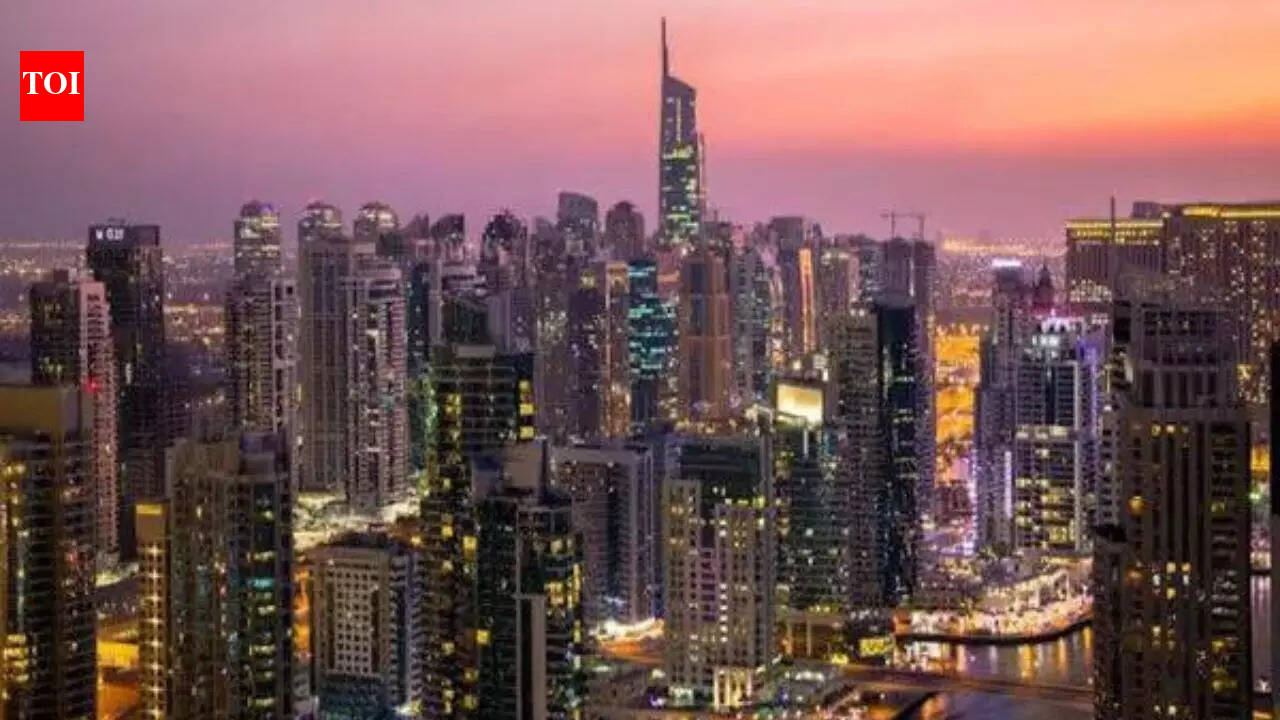
The Samajwadi Party spokesperson accused the Modi government of “failing to warn” nearly 1 million Indian expatriates in the Gulf, despite being in contact with the US President and officials, and having warm relations with the Israeli PM as well as the leaders of the Gulf countries.
“Yet, the Government of India did nothing to warn the nearly one crore Indians in Dubai and elsewhere in the Gulf. This has the makings of a black swan, where those impacted are blissfully unaware, and those who are aware and responsible do not warn,” Tiwari wrote.
This is a shrewd attempt by the Samajwadi Party leader to portray the Modi government’s balanced approach towards the conflict in the Middle East as incompetent. It is not just about the imaginary failure to warn Indian expatriates in the Gulf, but essentially a part of the Muslim-appeasing opposition’s pressure campaign to make India side with Iran in the ongoing conflict.
For now, however, we will stick to Tiwari’s core accusation that the Modi government “did nothing to warn or protect” nearly 10 million Indian expatriates, with around 4 million in the UAE alone.
Contrary to the false narrative peddled by the Samajwadi Party leader, the Modi government issued multiple travel advisories and warnings to Indians in Iran well before and immediately after the conflict’s escalation. The Indian government made perfect use of its friendship and contact with all the main parties involved in the conflict, demonstrating foresight and responsiveness.
In the second week of January this year, much before the fresh conflict between Iran and the US-Israel alliance began. In a statement released on 14th January, the Indian embassy advised Indian citizens, including students, pilgrims, businesspersons, and tourists, to leave Iran by any available means of transport. This advisory followed a similar advisory issued to Indian nationals in Iran on 5th January this year. In a separate advisory, the Ministry of External Affairs has also strongly advised Indian nationals to avoid travelling to Iran.
Iran was the epicentre of the initial strikes, and the Indian Ministry of External Affairs and the Indian Embassy in Iran constantly urged and even assisted Indian nationals there to leave Iran as fast as possible. Indian students still stuck in Iran are being helped by the Indian authorities.
Misleading claims and hyperventilating speculations
For the UAE and the Gulf, advisories were issued immediately as the war spilt over with Iran’s retaliatory missile and drone attacks. Iran is reported to have fired 189 missiles and 941 drones targeting the UAE. On 28th February, the Indian Embassy in Abu Dhabi, UAE, issued an advisory for citizens, asking them to remain vigilant and avoid travelling. A similar advisory was issued again on 3rd March, and the Indian officials are constantly assisting Indian nationals in the UAE.
While Ghanshyam Tiwari argued that Indian expatriates in the UAE and Gulf countries should have been pre-warned since Prime Minister Modi visited Israel right before Tel Aviv began its offensive against Iran, and the Indian government has been in touch with all the actors in the current war, the rapid extension of the Israel-US versus Iran war to the UAE’s doorstep was not expected even by the UAE authorities.
The UAE administration condemned Iran’s “blatant attack” and activated its defence and emergency measures following the Iranian attacks; however, no prior evacuation orders were issued by the Emirati government itself. Clearly, the administration in the UAE itself did not foresee an Iranian attack; how, then, was India expected to mandate evacuations from a stable and functional country like the UAE?
What was Ghanshyam Tiwari even expecting the Indian government to do? Evacuate millions from a global financial hub like Dubai pre-emptively, even as this would have caused unnecessary panic and logistical chaos? Tiwari himself pointed out that Indian expatriates in the UAE form a significant portion of the UAE’s 11 million population. How could the Indian government have warned or evacuated Indian nationals in the UAE without clear, imminent threats, particularly when the Emirati government itself did not warn of the possibility of an Iranian attack?
Passing off his wishful thinking as ‘concern’, Tiwari fearmongered in addition to the possibility of a global oil crisis affecting the Indian economy, lakhs of travellers being stranded in the Gulf is raising expat distress and consequently putting the Indian government under pressure.
While the countries that came under attack from Iran have reported casualties and businesses have been affected, if we talk about the UAE or Qatar, life is going largely normal in these countries.
The UAE remains largely functional despite the disruptions. The airspace closures were a temporary security measure after strikes on the Dubai International Airport, and flights are now gradually resuming. Both Etihad and Emirates have slowly resumed flight operations from Abu Dhabi and Dubai. An Etihad flight recently landed in Delhi. Even the Indian nationals returning from the UAE confirmed that both the Emirati and Indian governments provided proper security and other assistance to them throughout.
IndiGo and Air India are also adding flights to bring back Indians stranded in the airports. Despite the instances of rocket debris falling near hotels and airports, the hubs like Dubai and Abu Dhabi are functional, not ‘shut down’ and are not ‘active war zones’ as Tiwari would like to believe.
This is a manageable regional crisis that is being dealt with through diplomacy, logistics and cooperation between India and the Gulf countries. As much as the Samajwadi Party spokesperson yearns for it, the conflict in the Middle East and its impact on Indians there is not a ‘Black Swan’ event that holds the potential of inflicting an electoral upset to the BJP.
“No Prime Minister can be immune to a crash in sentiment and popularity amongst his ardent followers. On the domestic front, a possible market crash, along with a falling rupee, could have a devastating domino effect on the economy. When millions of people lose their hard-earned money, go into debt due to EMIs and other loans, see the gains of real estate vanish, and face job insecurity, the language of politics changes. It is like the Titanic crashing into an iceberg,” Tiwari wrote.
This is not India’s war, no matter how badly the Opposition wants to drag the Modi govt into it
Ghanshyam Tiwari also portrayed PM Modi’s recent Israel visit and the India-US trade agreement, which is not even officially signed yet, as India’s alignment with ‘aggressors’. He cited the sinking of the Iranian naval ship IRIS Dena in the Indian Ocean and strikes on the Gandhi Hospital in Tehran, to contend that India’s silence “is being as submission to Israel and the US.”
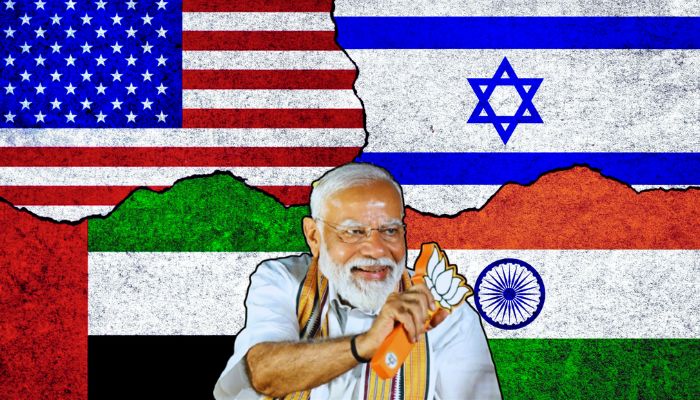
Tiwari’s framing of the situation is nothing but a gross misrepresentation of India’s foreign policy. The Modi government has consistently emphasised strategic autonomy. Be it the Russia-Ukraine war, the Israel-Hamas war or the ongoing war between Israel and the US against Iran, India has never picked a side driven by emotions. Prime Minister Narendra Modi himself has been a vocal advocate of the peaceful resolution of disputes. India is arguably the only country that has managed to have good and balanced relations with Russia, Ukraine, US, Israel, Palestine, Iran, and the Arab states, all at once.
PM Modi’s balanced engagements demonstrate efforts to safeguard Indian interests amidst surging volatility; this is not blind submission. If India had actually submitted before the US and Israel, a nuclear-armed India would have been the launchpad for Israeli-American attacks on Iran.
If India’s foreign policy were governed by the whims of Muslim appeasing political parties like the Samajwadi Party, they would have deployed military assistance to Iran against Israel and the US, essentially dragging us into a war that isn’t ours because some Shias in Lucknow, Kargil and Kashmir are devastated over the Ayatollah Ali Khamenei’s assassination.
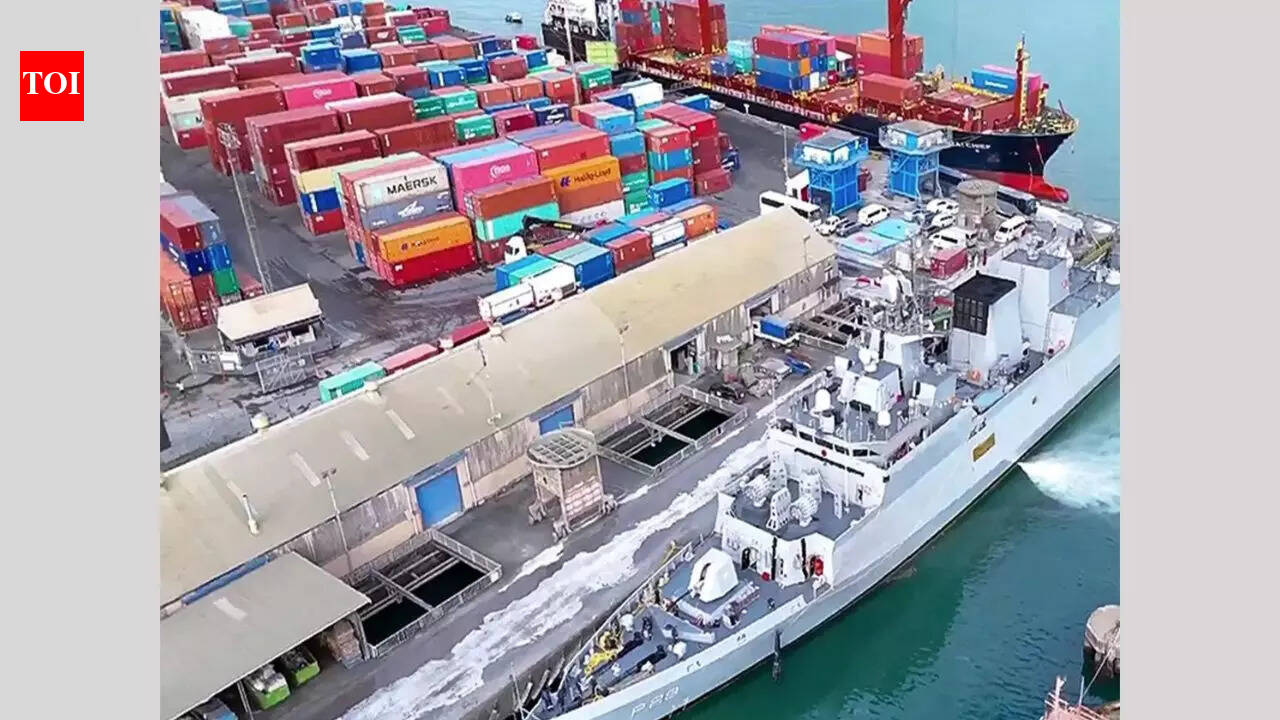
Tiwari also presented the sinking of the IRIS Dena in the Indian Ocean as India’s ‘failure’ to protect the Iranian frigate that participated in India’s MILAN 2026 naval exercise. This alarming misrepresentation came even as the ship was operating approximately 20 nautical miles west of Galle, within the SAR region under Sri Lankan responsibility, nowhere near India’s territorial waters. Just because IRIS Dena partook in an Indian naval exercise, the Indian Navy was not obliged to provide a safe escort to the Iranian warship all the way back home. India could only have extended a humanitarian hand in the form of search and rescue operations, which the Indian Navy is already doing.
Tiwari’s fantasy: Market crash, rupee freefall, economic doom, anything, anything that will hurt the Modi govt
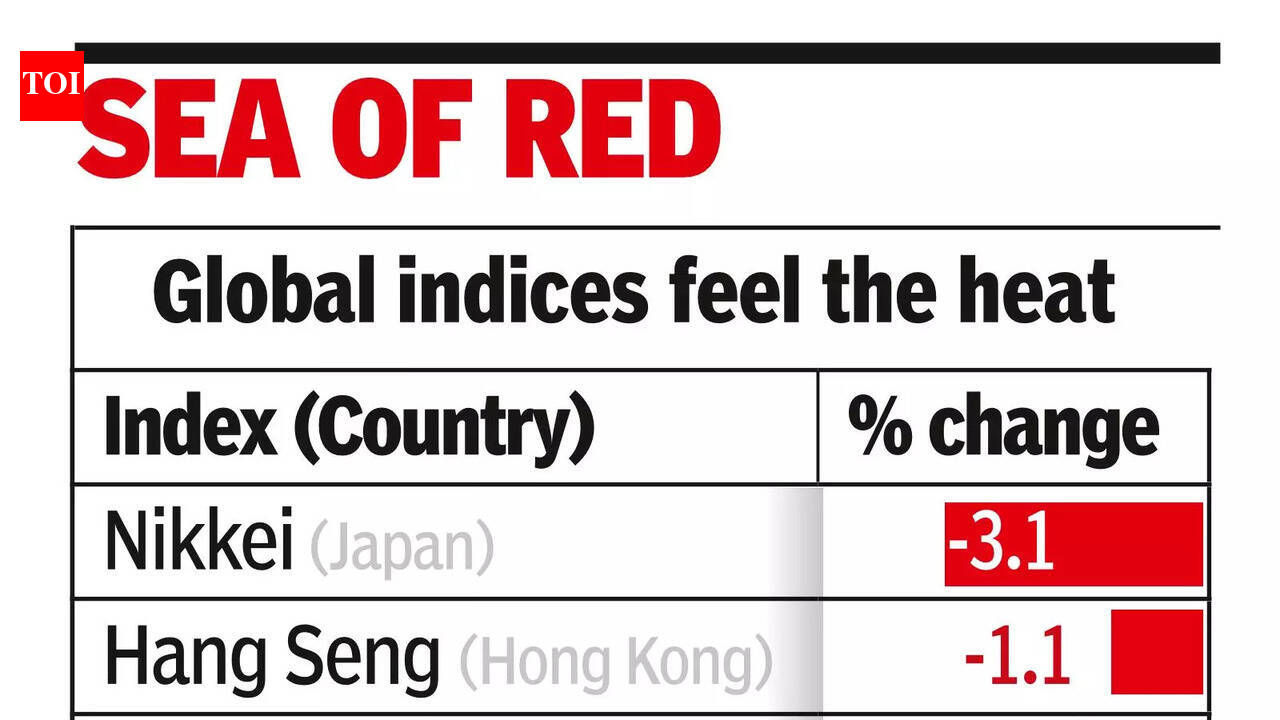
The Samajwadi Party spokesperson warned of a ‘ticking timebomb’ with oil price surges, market crashes, a falling rupee, and its eventual impact on Indians via debt due to EMIs and other loans, the vanishing of real estate gains, and job insecurity. He suggested that in such extreme situations, even the language of politics changes. “It is like the Titanic crashing into an iceberg,” Tiwari wrote.
However, contrary to the Samajwadi Party leader’s contention, there is no such evident ‘free fall’, and the Modi government has made preparations to mitigate risks. India has ample crude and fuel storage, providing a buffer against short-term disruptions caused by Iran’s blockade of the Strait of Hormuz and Qatar’s discontinuation of LNG production after the Iranian attack on state-owned QatarEnergy facilities. India has also been buying Russian oil, much to America’s dismay, even though Tiwari suggests that the Modi government capitulated before Trump. Despite challenges, the Indian economy remains in good shape, with its growth trajectory heading in the upward direction.
While higher logistics costs and remittance dips, given that the Gulf accounts for India’s nearly 38% inflows, or export disruptions could be short-term challenges, these will not dent long-term momentum. India is not a ‘Titanic’, India is a juggernaut of its own kind that has mastered the art of balancing trade and strategic relations even with countries which are hostile to one another.
Contrary to Ghanshyam Tiwari’s portrayal, the Iran war and the resultant crisis, which is not India or Indians-exclusive, is not a BJP-toppling ‘Black Swan’, if it was a ‘Black Swan’ at all, the political leaderships in the Gulf countries attacked by Iran would be toppled first. The Samajwadi Party leader’s rhetoric in the Indian Express op-ed is akin to the doomsday media headlines that are largely divorced from reality. Just as the media hue and cry, Ghanshyam Tiwari’s ‘Black Swan’ analogy will certainly not age very well.
Looking for a Black Swan event to topple the Modi government in a situation as serious as a raging war, where countless innocent lives, Indian or not, are at stake, shows only the cynical political opportunism and desperation of the Samajwadi Party.
There are political and economic scenarios that may hurt the BJP. India is a democratic country. When a majority of the people of India decide that the BJP is falling short of their expectations, they will express their desire for change through the electoral process, and maybe someday, a different party, or a different political coalition, will come to power. That is how an electoral democracy works. But a distant war between Iran and the US-Israel is a geopolitical and economic challenge that all nations will have to navigate through. It is not likely to “cause” a regime change in India, no matter how desperately the Opposition wants it.