"India Has Adequate Crude Oil Stores, Need To Be Atmanirbhar": PM Amid Iran War
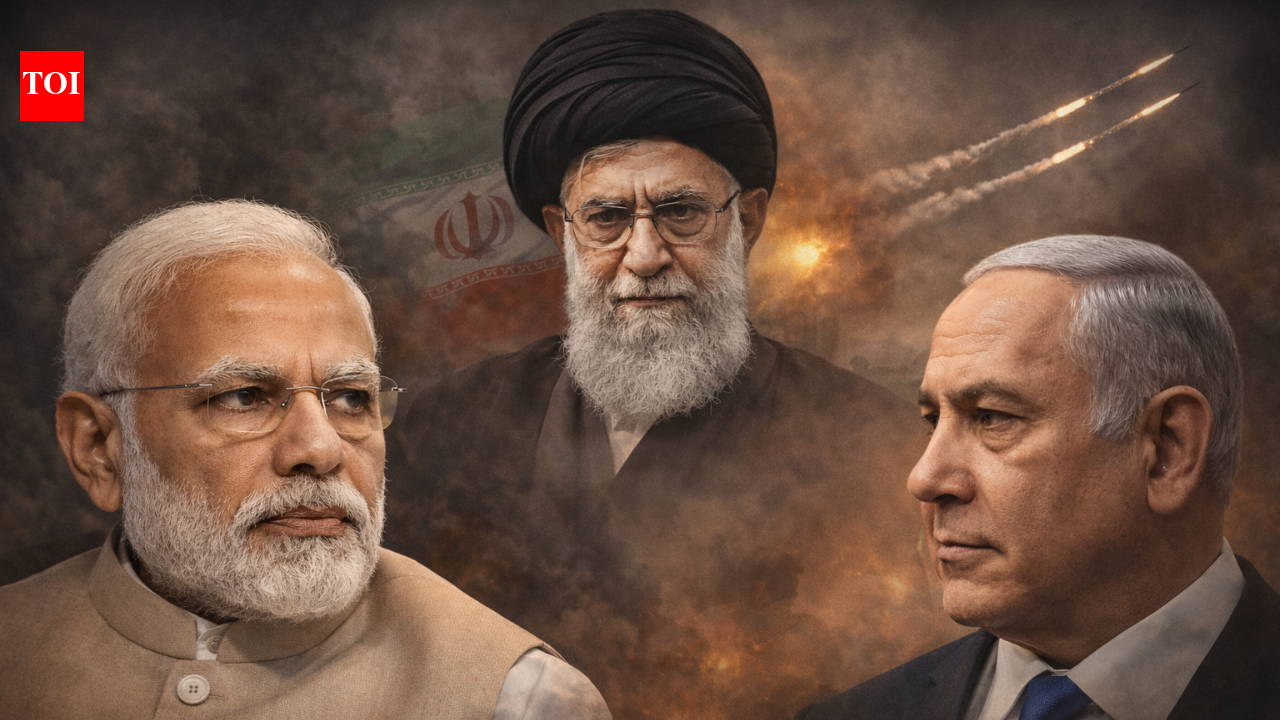
The conflict in the West Asia has spawned a "severe energy crisis" across the world, and this is a matter of concern for India as well, Prime Minister Narendra Modi said in parliament on Tuesday. Since the Iran war erupted at the end of February, Tehran has retaliated against US-Israeli attacks by throttling traffic through the Strait of Hormuz, a conduit for one-fifth of global crude, and by hitting Gulf energy sites and US embassies as well as targets in Israel. The Prime Minister acknowledged that the war, now in its fourth week, is impacting "our trade routes", thereby disrupting the routine supply of essential commodities such as petrol, diesel, gas, and fertilisers. "Numerous ships from around the world are currently stranded in the Strait of Hormuz. A very large number of Indian crew members are on board these vessels, which is also a matter of worry for India," PM Modi said, adding that the safety of over 1 core Indians living and working in the Gulf is also India's top priority. PM Modi underscored that since the onset of the conflict, he has held two rounds of telephone conversations with the leaders of West Asian countries. "We remain in constant contact with all the Gulf states, as well as with Iran, Israel, and the United States. Our objective is to restore peace in the region through dialogue and diplomacy. We have discussed the need for de-escalation and the reopening of the Strait of Hormuz. Attacks on commercial vessels and obstacles to international navigation in the Strait of Hormuz are unacceptable," PM Modi said. PM Modi assured the nation that it has sufficient storage for crude oil. "I would like to assure the House and the nation that India has adequate storage facilities and reliable supply arrangements for crude oil. Our government remains committed to avoiding over-reliance on any single source of fuel. Additionally, we are promoting the use of Piped Natural Gas (PNG) alongside Liquefied Petroleum Gas (LPG) to enhance the domestic gas supply," PM Modi said. Earlier, India imported crude oil, LNG, and LPG for its energy needs from 27 countries, said the Prime Minister, adding that today the country sources its energy imports from 41 countries. "Over the past decade, to address energy crises, India has prioritised the storage of crude oil. Our oil companies maintain substantial reserves of petrol and diesel to ensure readiness in times of crisis. In the last 11 years, over 5.3 million metric tonnes of strategic petroleum reserves have been established," he said. The damage already incurred in West Asia will take a significant amount of time for the world to recover from, noted the Prime Minister, adding that continuous efforts are being made to minimise its impact on India. "Fortunately, the fundamentals of our economy remain strong, and the government is closely monitoring the evolving situation. The government is working strategically to address the crisis's short-term, medium-term, and long-term effects. Additionally, an inter-ministerial group has been established to coordinate these efforts," PM Modi said. The Prime Minister said his government has, over the past several years, consistently worked to reduce dependence on other countries across all sectors. "Increasing our self-reliance is essential. It is, in fact, our only viable option. For instance, more than 90 percent of India's trade is currently transported on foreign ships, a situation that leaves the country vulnerable during any global crisis. To address this issue, the government has launched an ambitious initiative worth approximately Rs 70,000 crore to build Made-in-India ships," he said, underlining government's push at Atmanirbharta or self reliance.
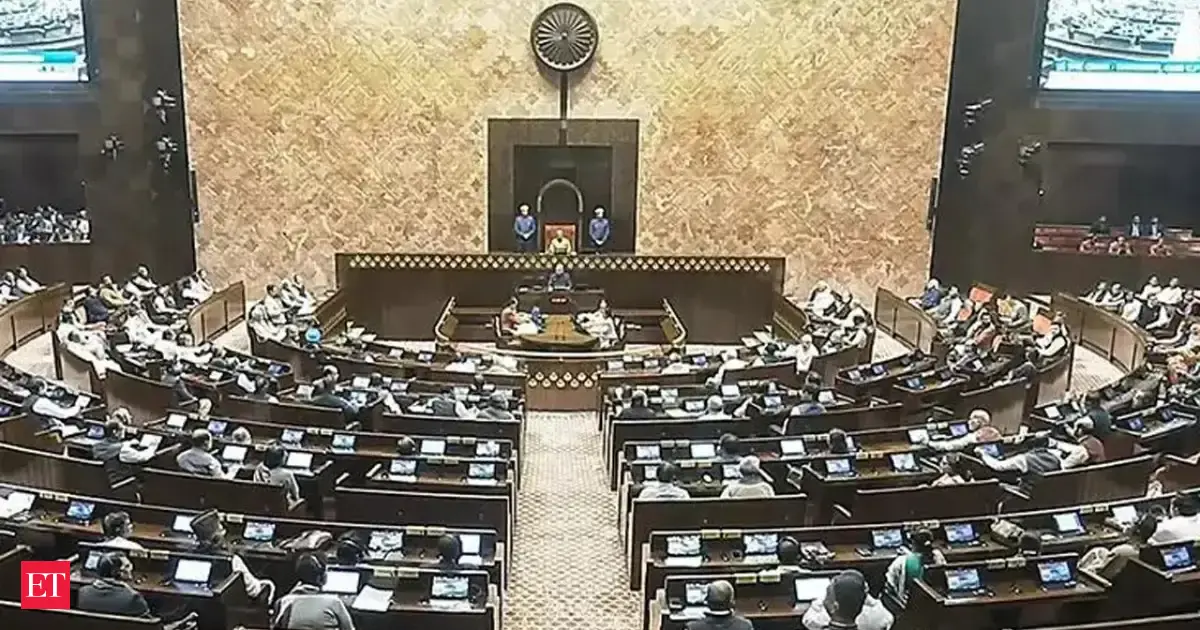
The conflict in the West Asia has spawned a "severe energy crisis" across the world, and this is a matter of concern for India as well, Prime Minister Narendra Modi said in parliament on Tuesday.
Since the Iran war erupted at the end of February, Tehran has retaliated against US-Israeli attacks by throttling traffic through the Strait of Hormuz, a conduit for one-fifth of global crude, and by hitting Gulf energy sites and US embassies as well as targets in Israel.
The Prime Minister acknowledged that the war, now in its fourth week, is impacting "our trade routes", thereby disrupting the routine supply of essential commodities such as petrol, diesel, gas, and fertilisers.
"Numerous ships from around the world are currently stranded in the Strait of Hormuz. A very large number of Indian crew members are on board these vessels, which is also a matter of worry for India," PM Modi said, adding that the safety of over 1 core Indians living and working in the Gulf is also India's top priority.
PM Modi underscored that since the onset of the conflict, he has held two rounds of telephone conversations with the leaders of West Asian countries.
"We remain in constant contact with all the Gulf states, as well as with Iran, Israel, and the United States. Our objective is to restore peace in the region through dialogue and diplomacy. We have discussed the need for de-escalation and the reopening of the Strait of Hormuz. Attacks on commercial vessels and obstacles to international navigation in the Strait of Hormuz are unacceptable," PM Modi said.
PM Modi assured the nation that it has sufficient storage for crude oil.
"I would like to assure the House and the nation that India has adequate storage facilities and reliable supply arrangements for crude oil. Our government remains committed to avoiding over-reliance on any single source of fuel. Additionally, we are promoting the use of Piped Natural Gas (PNG) alongside Liquefied Petroleum Gas (LPG) to enhance the domestic gas supply," PM Modi said.
Earlier, India imported crude oil, LNG, and LPG for its energy needs from 27 countries, said the Prime Minister, adding that today the country sources its energy imports from 41 countries.
"Over the past decade, to address energy crises, India has prioritised the storage of crude oil. Our oil companies maintain substantial reserves of petrol and diesel to ensure readiness in times of crisis. In the last 11 years, over 5.3 million metric tonnes of strategic petroleum reserves have been established," he said.
The damage already incurred in West Asia will take a significant amount of time for the world to recover from, noted the Prime Minister, adding that continuous efforts are being made to minimise its impact on India.
"Fortunately, the fundamentals of our economy remain strong, and the government is closely monitoring the evolving situation. The government is working strategically to address the crisis's short-term, medium-term, and long-term effects. Additionally, an inter-ministerial group has been established to coordinate these efforts," PM Modi said.
The Prime Minister said his government has, over the past several years, consistently worked to reduce dependence on other countries across all sectors.
"Increasing our self-reliance is essential. It is, in fact, our only viable option. For instance, more than 90 percent of India's trade is currently transported on foreign ships, a situation that leaves the country vulnerable during any global crisis. To address this issue, the government has launched an ambitious initiative worth approximately Rs 70,000 crore to build Made-in-India ships," he said, underlining government's push at Atmanirbharta or self reliance.