In the 1850s, settlers brought garlic mustard to America for food and medicine; it escaped gardens and altered the fungi that native trees depend on
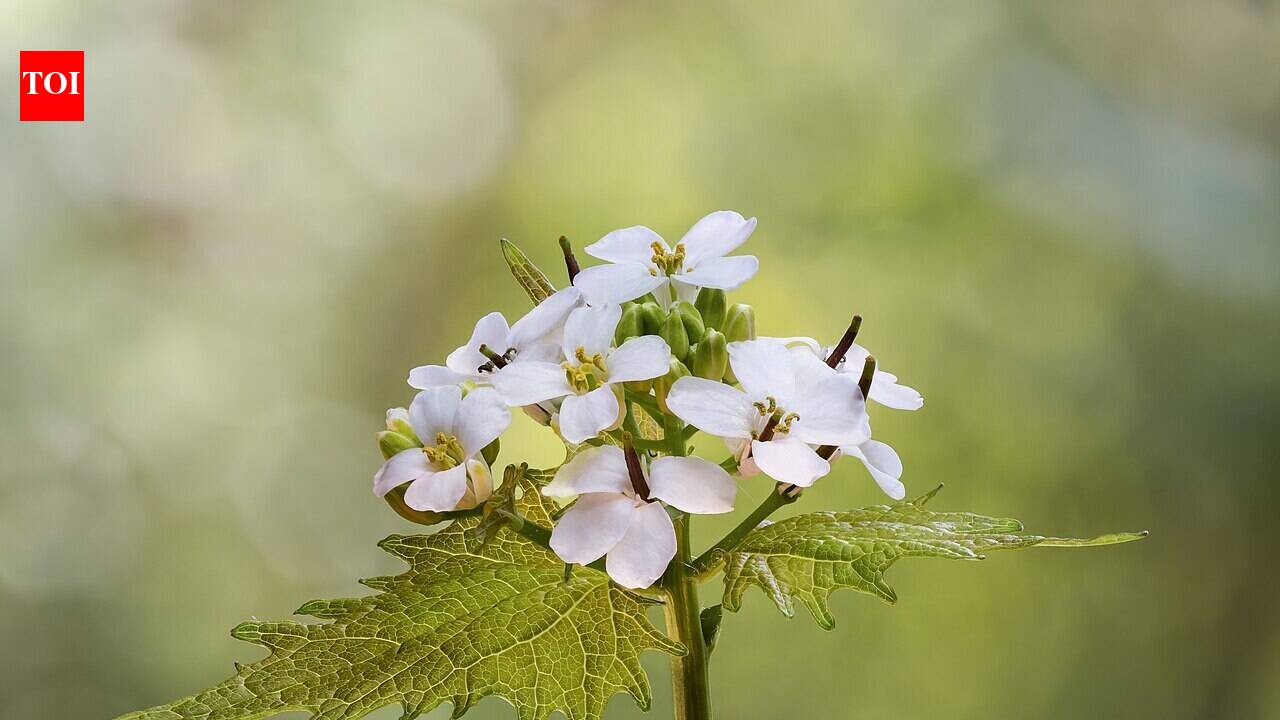
Garlic mustard, an introduced European plant, now affects North American forest soil communities. This invasive herb alters underground microbial balances, impacting nutrient cycling processes. Studies show invaded soils exhibit increased bacterial activity and reduced fungal presence. These shifts can negatively affect native plants' ability to access essential nutrients. Managing this invasive species requires addressing its below-ground ecological impacts.
Garlic mustard, an introduced European plant, now affects North American forest soil communities. This invasive herb alters underground microbial balances, impacting nutrient cycling processes. Studies show invaded soils exhibit increased bacterial activity and reduced fungal presence. These shifts can negatively affect native plants' ability to access essential nutrients. Managing this invasive species requires addressing its below-ground ecological impacts.