In 2003, scientists found that a part of Chile's desert is so mysteriously dry that the soil is lifeless and has no DNA at all; today, scientists use it to study Martian conditions without leaving Earth
Chile’s Atacama Desert presents an eerie similarity to Martian landscapes, making it a key site for NASA's research. This hyperarid environment is known for its almost nonexistent rainfall, with certain places virtually dry for years. NASA uses this desert to simulate conditions for Mars missions and to test technology. Its soil composition astonishingly resembles that of Mars, often perplexing life detection tools.
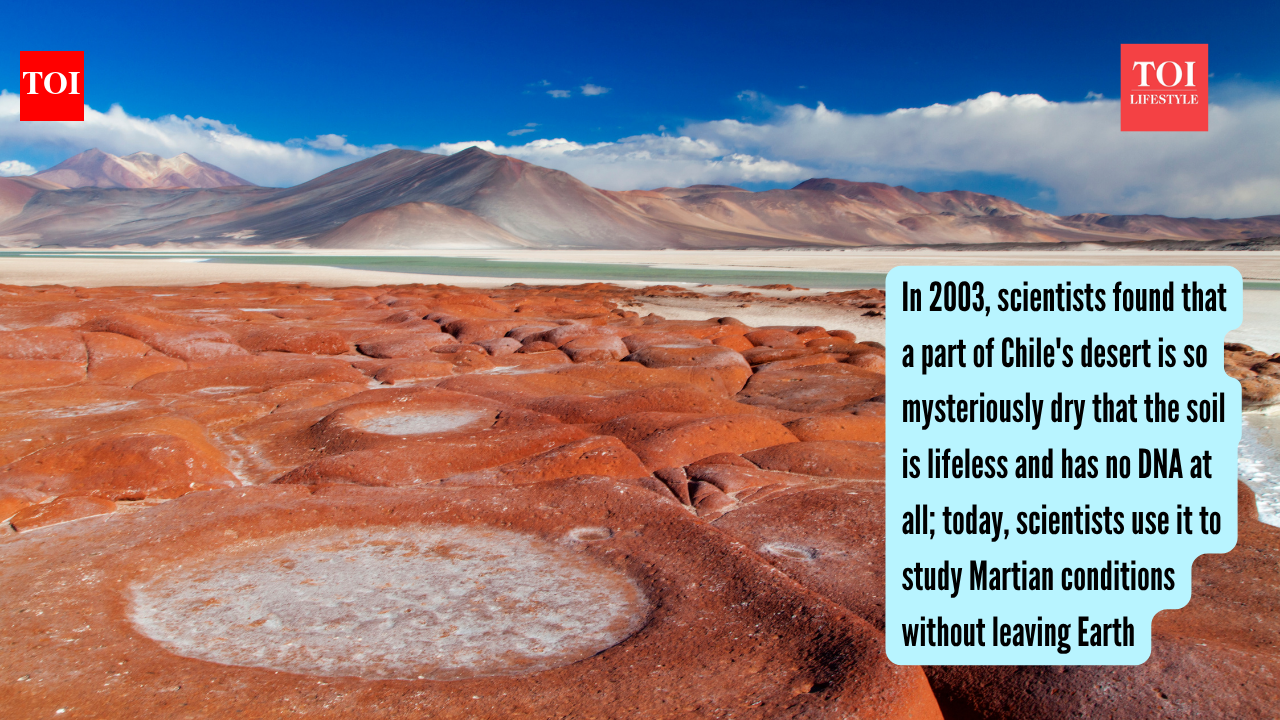
Chile’s Atacama Desert presents an eerie similarity to Martian landscapes, making it a key site for NASA's research. This hyperarid environment is known for its almost nonexistent rainfall, with certain places virtually dry for years. NASA uses this desert to simulate conditions for Mars missions and to test technology. Its soil composition astonishingly resembles that of Mars, often perplexing life detection tools.