In 1989, Yann LeCun helped show that neural networks could read handwritten ZIP codes, laying groundwork for systems that later read bank checks
In 1989, a computer scientist tackled the messy challenge of reading handwritten zip codes for the US Post Office. This practical problem spurred a revolution in machine vision, moving beyond rigid algorithms to a layered, human-eye-like analysis. The resulting system, LeNet-5, proved neural networks could solve real-world issues, paving the way for today's advanced AI in fields from photo apps to medical imaging.
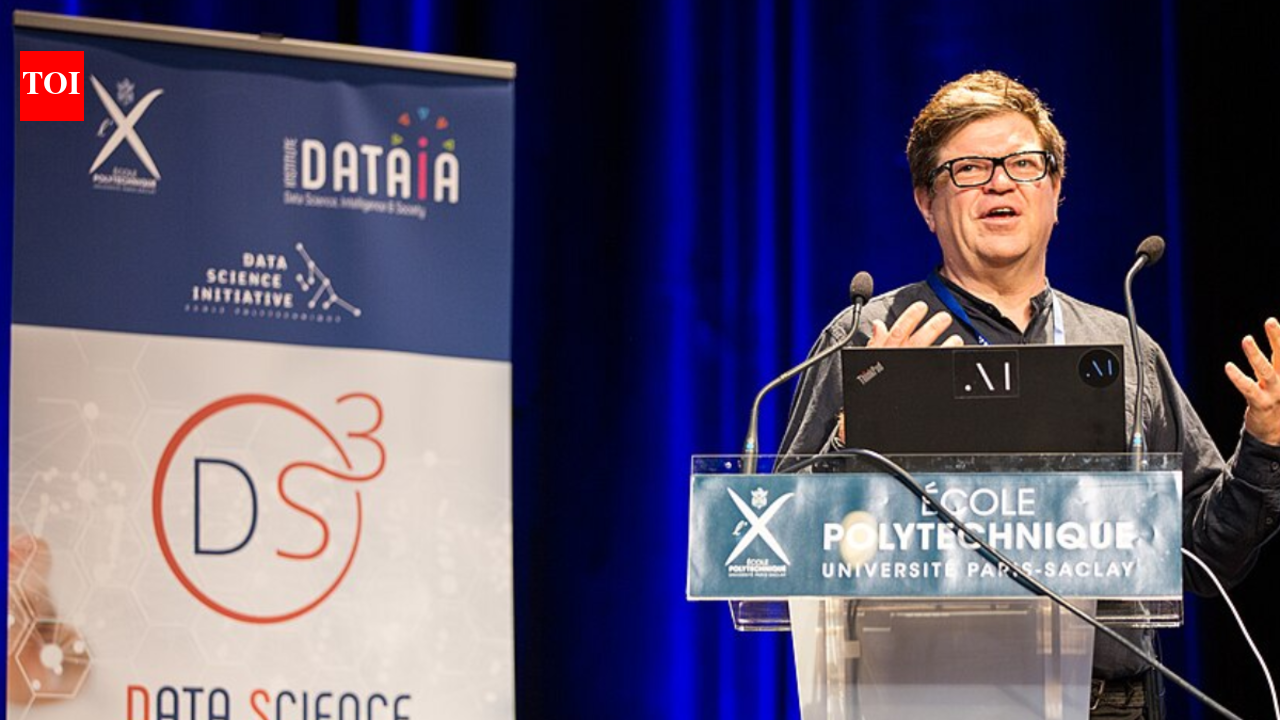
In 1989, a computer scientist tackled the messy challenge of reading handwritten zip codes for the US Post Office. This practical problem spurred a revolution in machine vision, moving beyond rigid algorithms to a layered, human-eye-like analysis. The resulting system, LeNet-5, proved neural networks could solve real-world issues, paving the way for today's advanced AI in fields from photo apps to medical imaging.