In 1938, Chester Carlson rubbed sulfur onto a metal plate and created the first dry photocopy
In a humble Astoria room, Chester Carlson pioneered a revolutionary dry copying method in 1938, laying the foundation for modern printing. His ingenious use of static electricity and light on a photoconductive material, though initially a fragile experiment, evolved into xerography. This enduring electrophotographic process, remarkably unchanged in its core principles, still powers today's laser printers, a testament to Carlson's persistence and groundbreaking vision.
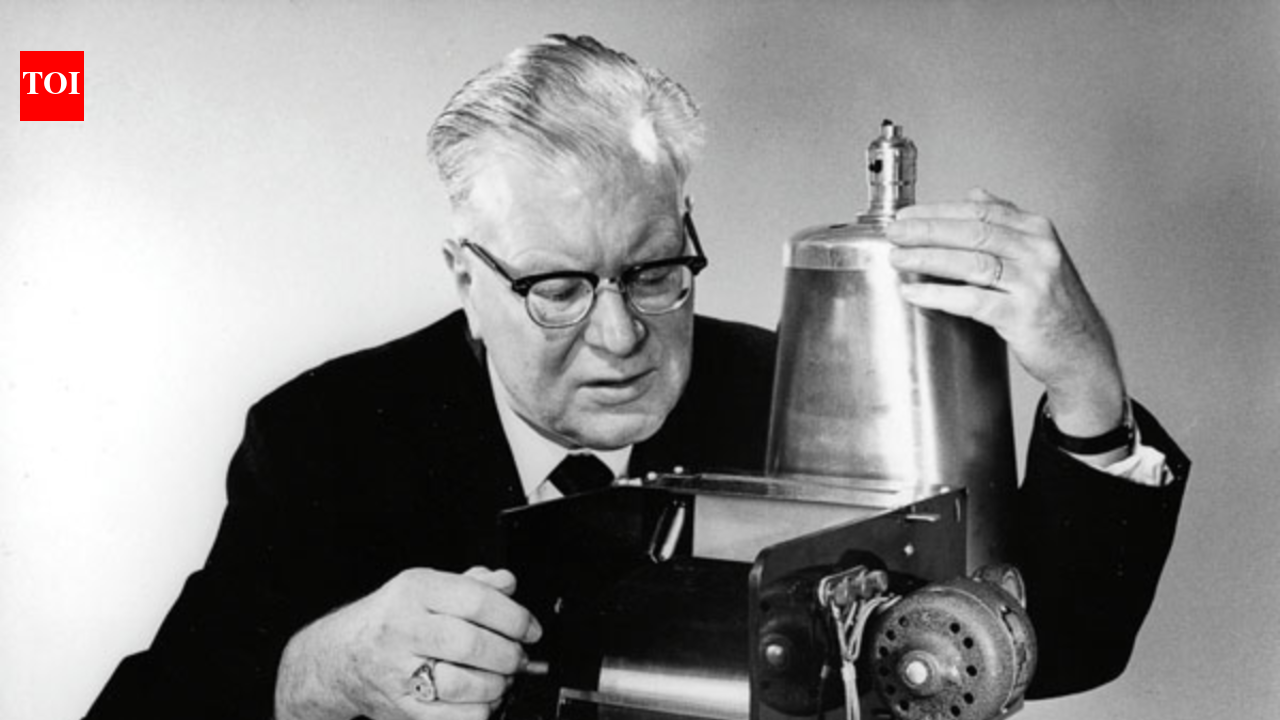
In a humble Astoria room, Chester Carlson pioneered a revolutionary dry copying method in 1938, laying the foundation for modern printing. His ingenious use of static electricity and light on a photoconductive material, though initially a fragile experiment, evolved into xerography. This enduring electrophotographic process, remarkably unchanged in its core principles, still powers today's laser printers, a testament to Carlson's persistence and groundbreaking vision.