Has Iran been able to ‘deal with’ the protests despite Trump’s bravado? Here is what is happening under Ayatollah regime now
On 19th January, Iran’s police chief announced a limited surrender window for those involved in “riots”. It was not just a law and order message. It was Tehran’s way of signalling that the Islamic Republic believes it has weathered the most dangerous phase of the unrest. In his statement, police chief Ahmad Reza Radan promised leniency for “deceived” youth while issuing a warning to organised hostile elements. He framed the protests as a contained security challenge rather than an existential threat to the regime. This framing is central to how Iran is presenting events, especially in response to aggressive rhetoric from the President of the United States, Donald Trump, whose public calls for Iranians to remain on the streets have been dismissed in Tehran as reckless provocation rather than support for genuine dissent. From surrender call to claim of restored control Radan’s announcement came after several days of relative calm in the country. Iran had witnessed violent unrest for weeks. Armed patrols, checkpoints, and a visible security presence across major cities, including sensitive locations such as Tehran’s Grand Bazaar, showed the state had gone on full throttle to reassert control. According to Iranian officials, thousands were arrested and the streets are no longer witnessing mass mobilisation. This sense of control is being projected deliberately by Tehran to counter international narratives portraying the protests as an unstoppable uprising against clerical rule. How economic anger turned into nationwide unrest The protests in Iran initially erupted after a sharp fall in the Iranian rial. This triggered anger among shopkeepers and traders in commercial districts. Rising prices, unemployment, and economic hardship further pushed the protests to flare up. However, within days, slogans moved beyond economic grievances to direct calls for regime change. Demonstrations were reported in major Iranian cities including Tehran, Mashhad, Isfahan, and Shiraz. On the nights of 8th and 9th January, the most violent phase of the protests unfolded. In a statement, the head of Iran’s forensic medicine authority, Abbas Masjedi Arani, said that many victims were shot in the head or chest at close range or stabbed. His statement indicated intent to kill rather than crowd control gone wrong. State media reported that most of the dead were young Iranians, many in their twenties. Internet blackout and information war As violence escalated, Tehran imposed a near total internet and mobile communication shutdown. The blackout severely restricted coordination among protesters. It also prevented images and videos of the protests from reaching the outside world. Amid the chaos, Elon Musk’s satellite powered internet service, Starlink, provided some hope to protesters, as Musk has repeatedly claimed his service cannot be blocked. However, Iran reportedly did the “unimaginable” and blocked almost 80% access to Starlink services, allegedly with the help of Russian tech and Chinese research. While some services have since been restored in the country, the episode showed how tightly the state controls information during crises. For Tehran, the blackout was not merely about internal security but also about countering the narrative war playing out in international media. Tehran’s accusation, Trump and foreign backing Iranian leaders have been blunt in assigning blame for the protests. Supreme Leader Ali Khamenei publicly described Trump as a criminal and held him responsible for casualties and destruction caused by “foreign linked armed elements”. In an op ed for Russia’s TASS news agency, Iran’s ambassador to Moscow, Kazem Jalali, accused Trump of being the architect of the “maximum pressure” sanctions regime while simultaneously issuing contradictory messages about protecting the Iranian people. According to him, provocative statements from Washington encouraged violence and enabled groups seeking to turn protests into riots. Trump’s own remarks fuelled this perception. At the height of the unrest, he warned Iranian authorities against using force and claimed that “help is on the way”, language Tehran interpreted as open encouragement of regime change. Competing narratives on casualties Khamenei has acknowledged that “thousands” were killed during the unrest, which is an unusually direct admission. US based Human Rights Activists News Agency claimed more than 3,300 were killed and tens of thousands were arrested. Reuters cited regional sources suggesting an even higher toll, particularly in Kurdish majority areas. Iranian authorities reject claims that security forces carried out mass killings or coerced families over burials. They insist that armed groups backed by hostile foreign powers were responsible for much of the bloodshed. Why this matters for India Beyond Iran’s internal politics, the unrest has wider regional implications that are not necessarily in India

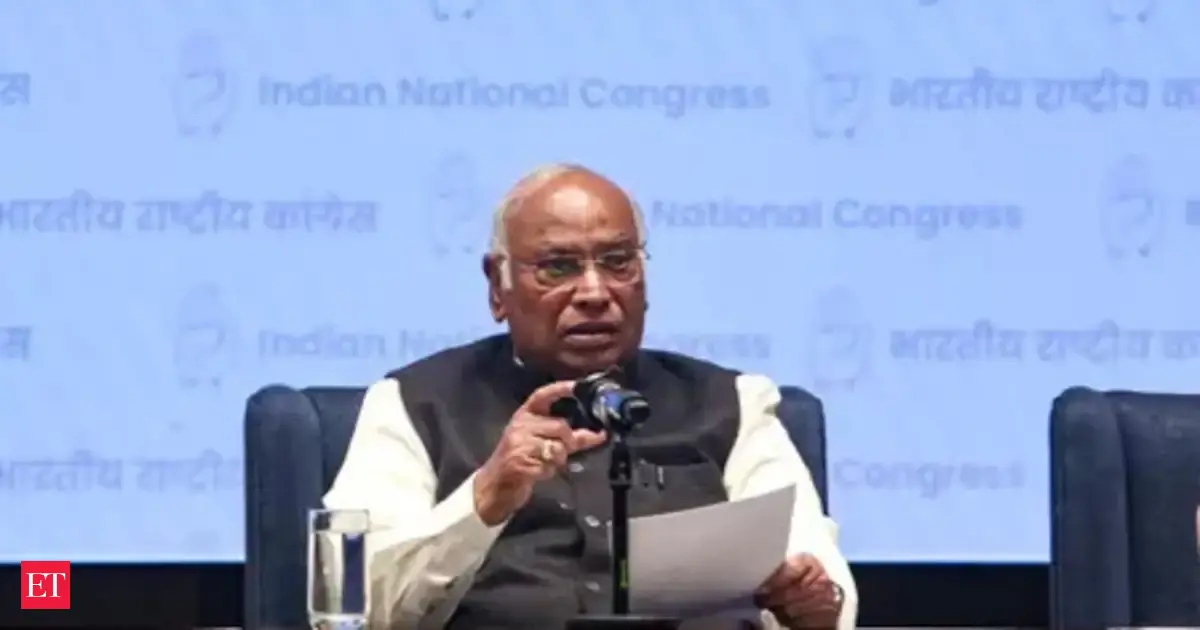
On 19th January, Iran’s police chief announced a limited surrender window for those involved in “riots”. It was not just a law and order message. It was Tehran’s way of signalling that the Islamic Republic believes it has weathered the most dangerous phase of the unrest.
In his statement, police chief Ahmad Reza Radan promised leniency for “deceived” youth while issuing a warning to organised hostile elements. He framed the protests as a contained security challenge rather than an existential threat to the regime.
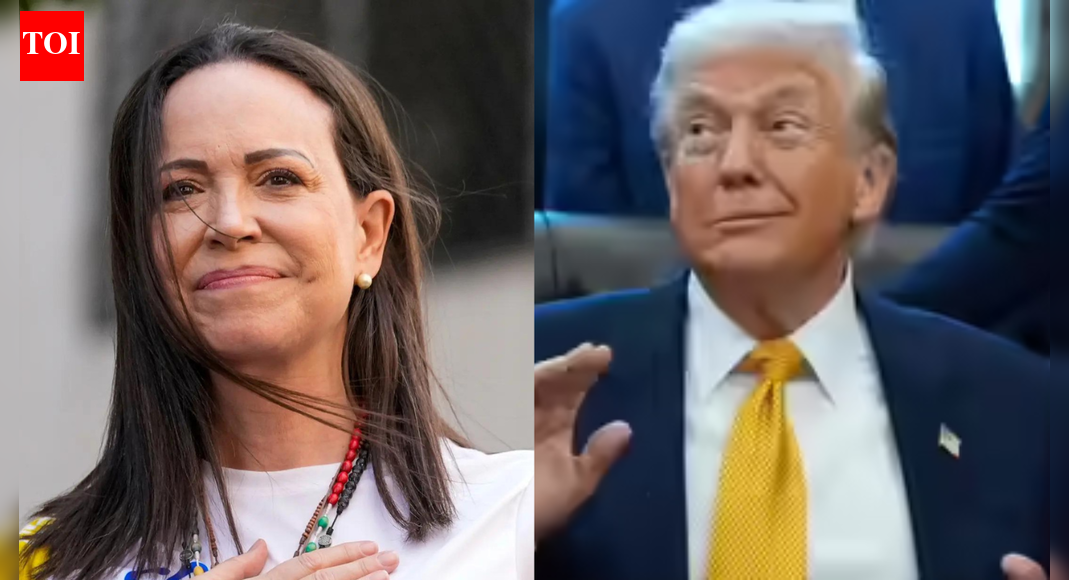
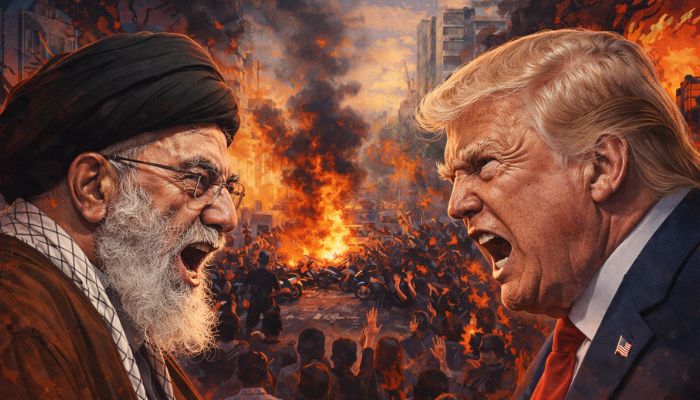
This framing is central to how Iran is presenting events, especially in response to aggressive rhetoric from the President of the United States, Donald Trump, whose public calls for Iranians to remain on the streets have been dismissed in Tehran as reckless provocation rather than support for genuine dissent.
From surrender call to claim of restored control
Radan’s announcement came after several days of relative calm in the country. Iran had witnessed violent unrest for weeks. Armed patrols, checkpoints, and a visible security presence across major cities, including sensitive locations such as Tehran’s Grand Bazaar, showed the state had gone on full throttle to reassert control. According to Iranian officials, thousands were arrested and the streets are no longer witnessing mass mobilisation.
This sense of control is being projected deliberately by Tehran to counter international narratives portraying the protests as an unstoppable uprising against clerical rule.
How economic anger turned into nationwide unrest
The protests in Iran initially erupted after a sharp fall in the Iranian rial. This triggered anger among shopkeepers and traders in commercial districts. Rising prices, unemployment, and economic hardship further pushed the protests to flare up. However, within days, slogans moved beyond economic grievances to direct calls for regime change. Demonstrations were reported in major Iranian cities including Tehran, Mashhad, Isfahan, and Shiraz.
On the nights of 8th and 9th January, the most violent phase of the protests unfolded. In a statement, the head of Iran’s forensic medicine authority, Abbas Masjedi Arani, said that many victims were shot in the head or chest at close range or stabbed. His statement indicated intent to kill rather than crowd control gone wrong. State media reported that most of the dead were young Iranians, many in their twenties.
Internet blackout and information war
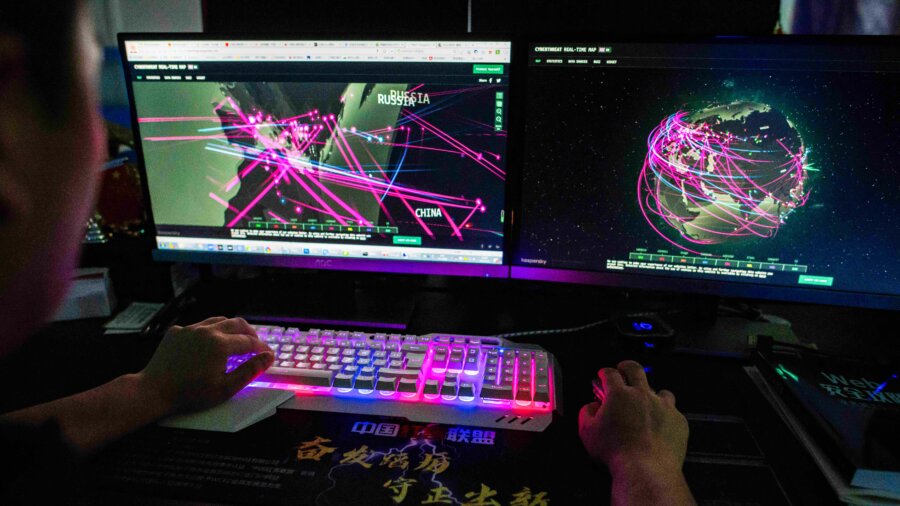
As violence escalated, Tehran imposed a near total internet and mobile communication shutdown. The blackout severely restricted coordination among protesters. It also prevented images and videos of the protests from reaching the outside world.
Amid the chaos, Elon Musk’s satellite powered internet service, Starlink, provided some hope to protesters, as Musk has repeatedly claimed his service cannot be blocked. However, Iran reportedly did the “unimaginable” and blocked almost 80% access to Starlink services, allegedly with the help of Russian tech and Chinese research.
While some services have since been restored in the country, the episode showed how tightly the state controls information during crises. For Tehran, the blackout was not merely about internal security but also about countering the narrative war playing out in international media.
Tehran’s accusation, Trump and foreign backing
Iranian leaders have been blunt in assigning blame for the protests. Supreme Leader Ali Khamenei publicly described Trump as a criminal and held him responsible for casualties and destruction caused by “foreign linked armed elements”.
In an op ed for Russia’s TASS news agency, Iran’s ambassador to Moscow, Kazem Jalali, accused Trump of being the architect of the “maximum pressure” sanctions regime while simultaneously issuing contradictory messages about protecting the Iranian people. According to him, provocative statements from Washington encouraged violence and enabled groups seeking to turn protests into riots.
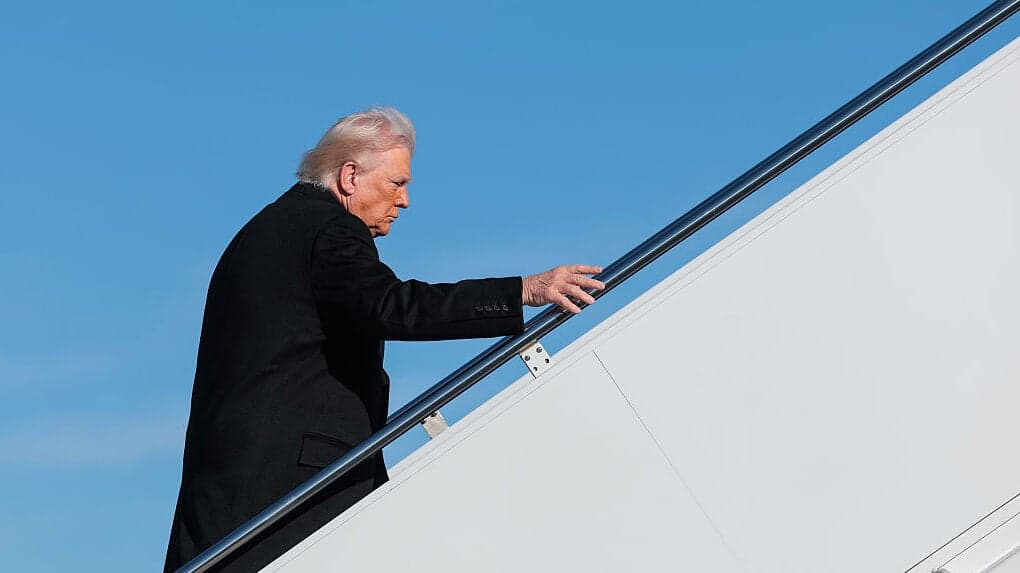
Trump’s own remarks fuelled this perception. At the height of the unrest, he warned Iranian authorities against using force and claimed that “help is on the way”, language Tehran interpreted as open encouragement of regime change.
Competing narratives on casualties
Khamenei has acknowledged that “thousands” were killed during the unrest, which is an unusually direct admission. US based Human Rights Activists News Agency claimed more than 3,300 were killed and tens of thousands were arrested. Reuters cited regional sources suggesting an even higher toll, particularly in Kurdish majority areas.
Iranian authorities reject claims that security forces carried out mass killings or coerced families over burials. They insist that armed groups backed by hostile foreign powers were responsible for much of the bloodshed.
Why this matters for India
Beyond Iran’s internal politics, the unrest has wider regional implications that are not necessarily in India’s interests. Trump backed destabilisation in Iran is not a moral crusade but a strategic gamble that risks reshaping the region to India’s disadvantage.
Iran is central to India’s access to Afghanistan and Central Asia through the Chabahar port, a project designed explicitly to bypass Pakistan. Any shift towards a US aligned or unstable Iran could restrict India’s use of Chabahar under American pressure. This would weaken India’s already diminished footprint in Afghanistan after the Taliban’s return in 2021.
There is also historical context that informs India’s caution. A Western backed Iran under the Shah was not friendly to Indian interests. Tehran openly supported Pakistan during the 1965 and 1971 wars, supplying arms, oil, and military equipment. The idea that a pro Western Iran would automatically align with India ignores this record.
Pakistan’s leverage and Afghanistan’s fault lines
A weakened or US aligned Iran could indirectly strengthen Pakistan’s hand in Afghanistan. Iran and Pakistan share a long border, and closer coordination under Western influence could further isolate regions where India once had influence. For New Delhi, this would compound an already unfavourable strategic environment in the region.
Trade corridors are also at stake. India’s ambitions through the International North South Transport Corridor, which runs via Iran to Central Asia and Russia, could be affected if Iran is pressured to prioritise alternative routes aligned with US or Pakistan backed interests.
Has the regime dealt with the protests?
By issuing a surrender ultimatum rather than escalating threats, Tehran’s leadership is projecting confidence that it has contained the unrest. Street protests have largely died down, and the security apparatus is mostly in place.
However, the deeper question is not just whether Tehran has restored order, but at what cost. What will be the regional consequences of the recent protests in the longer run? For India, the lesson remains unchanged. US driven regime change narratives in West Asia do not automatically serve Indian interests. Even if stability in Iran is imperfect, it is strategically preferable to chaos encouraged by external powers whose priorities do not align with India.