France's Omaha Beach is still bleeding metal 82 years after D-Day; scientists found that 4% of this sand is still composed of shrapnel
Microscopic iron shrapnel, remnants of D-Day explosions, have been discovered in Omaha Beach sand, a study reveals. Sedimentary geologists stumbled upon these tiny fragments, some measuring less than a millimeter, during a field trip. These particles, formed by wartime blasts and corroded by seawater, are slowly disappearing, with scientists estimating they'll be unidentifiable within a century, leaving museum artifacts as primary reminders of the historic invasion.
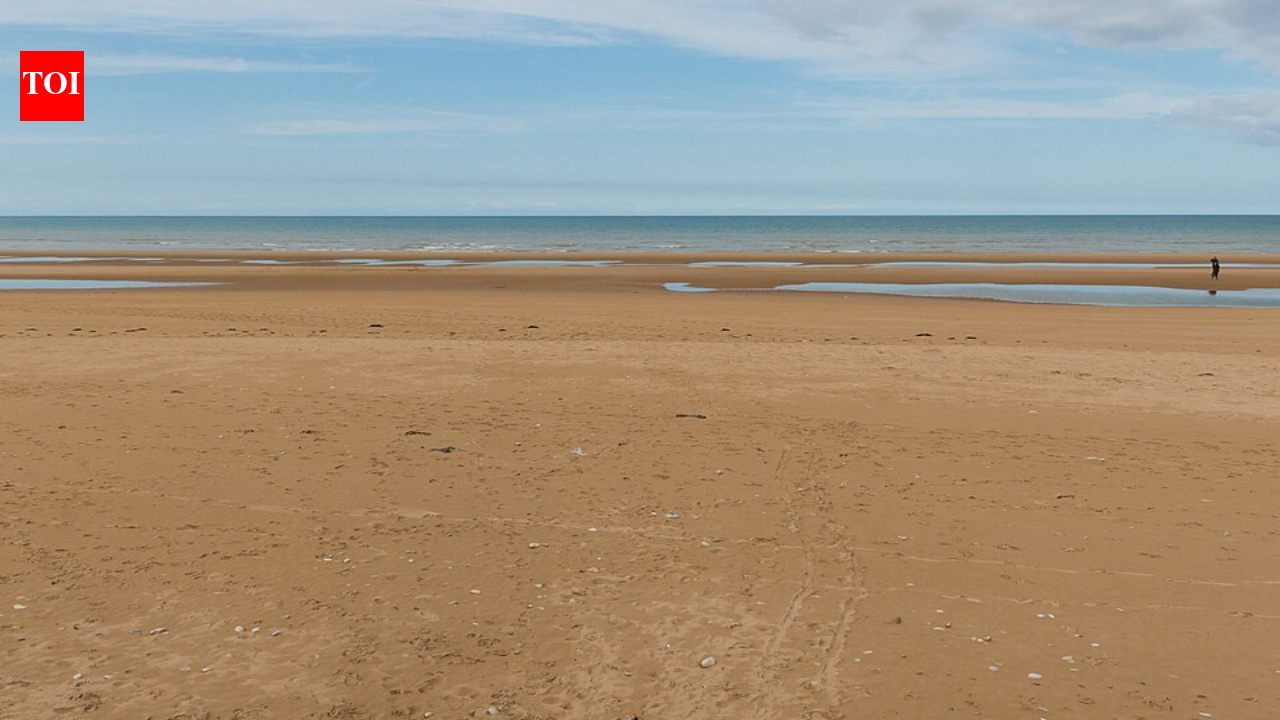
Microscopic iron shrapnel, remnants of D-Day explosions, have been discovered in Omaha Beach sand, a study reveals. Sedimentary geologists stumbled upon these tiny fragments, some measuring less than a millimeter, during a field trip. These particles, formed by wartime blasts and corroded by seawater, are slowly disappearing, with scientists estimating they'll be unidentifiable within a century, leaving museum artifacts as primary reminders of the historic invasion.