Chile in the 1970s replaced vast native forests with pine plantations, but scientists later found streams shrinking while wildlife quietly disappeared
Chile's push for commercial timber plantations has inadvertently impacted its water systems. Replacing diverse native forests with fast-growing monocultures, like pines and eucalyptus, alters soil moisture and reduces local water availability. Research highlights that native forests are more efficient at regulating water, seeping it into aquifers. This shift underscores the need for careful land planning to balance commercial interests with hydrological health and prevent artificial ecological imbalances.
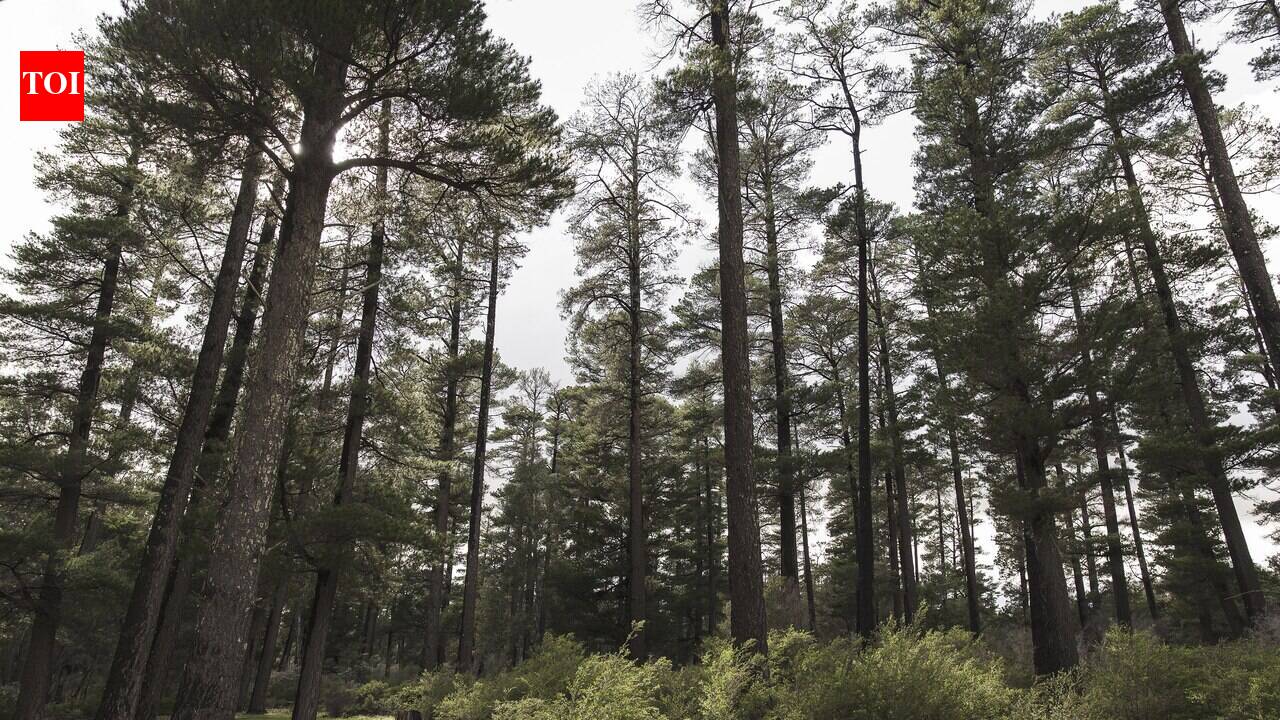
Chile's push for commercial timber plantations has inadvertently impacted its water systems. Replacing diverse native forests with fast-growing monocultures, like pines and eucalyptus, alters soil moisture and reduces local water availability. Research highlights that native forests are more efficient at regulating water, seeping it into aquifers. This shift underscores the need for careful land planning to balance commercial interests with hydrological health and prevent artificial ecological imbalances.