Britain in the 1920s planted millions of Sitka spruce trees for timber, but research suggests these plantations provide much less habitat for wildlife than native forests
British forests, often perceived as thriving wildlife havens, are revealed to be largely monocultures of Sitka spruce, hindering native biodiversity. A recent study highlights that these commercial plantations, established post-WWI for timber, support significantly fewer species than ancient native woodlands. Researchers propose a "patchwork" approach, integrating diverse tree species in blocks, to boost ecological resilience and support wildlife without compromising timber production.
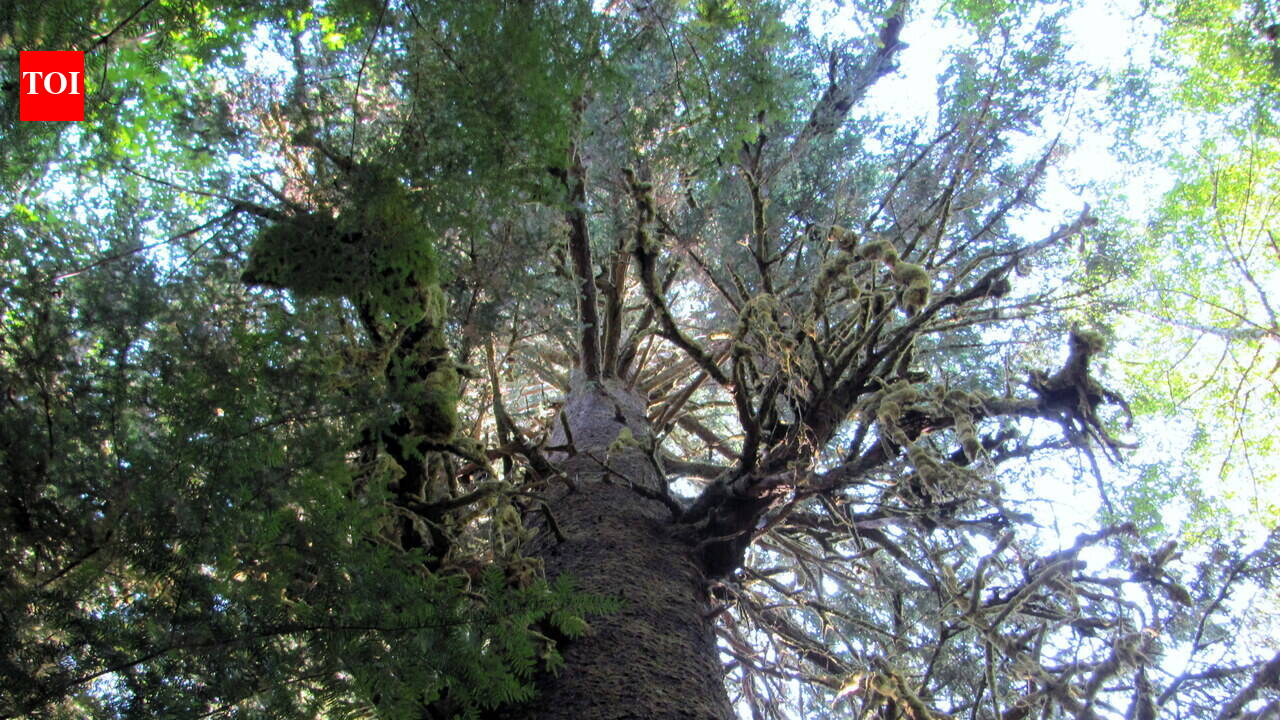
British forests, often perceived as thriving wildlife havens, are revealed to be largely monocultures of Sitka spruce, hindering native biodiversity. A recent study highlights that these commercial plantations, established post-WWI for timber, support significantly fewer species than ancient native woodlands. Researchers propose a "patchwork" approach, integrating diverse tree species in blocks, to boost ecological resilience and support wildlife without compromising timber production.