Around 2.4 billion years ago, tiny microbes helped trigger Earth’s biggest environmental revolution by filling the atmosphere with oxygen
Microscopic cyanobacteria fundamentally altered Earth's chemistry by producing oxygen through photosynthesis. This transformation, known as the Great Oxidation Event, permanently changed the planet's atmosphere and oceans. Oxygen accumulation was a gradual process, with early production reacting with reduced compounds in the ocean. Ancient rocks show a disappearance of sulfur isotope fractionation, indicating rising atmospheric oxygen levels. This event laid the foundation for the evolution of complex life forms on Earth.
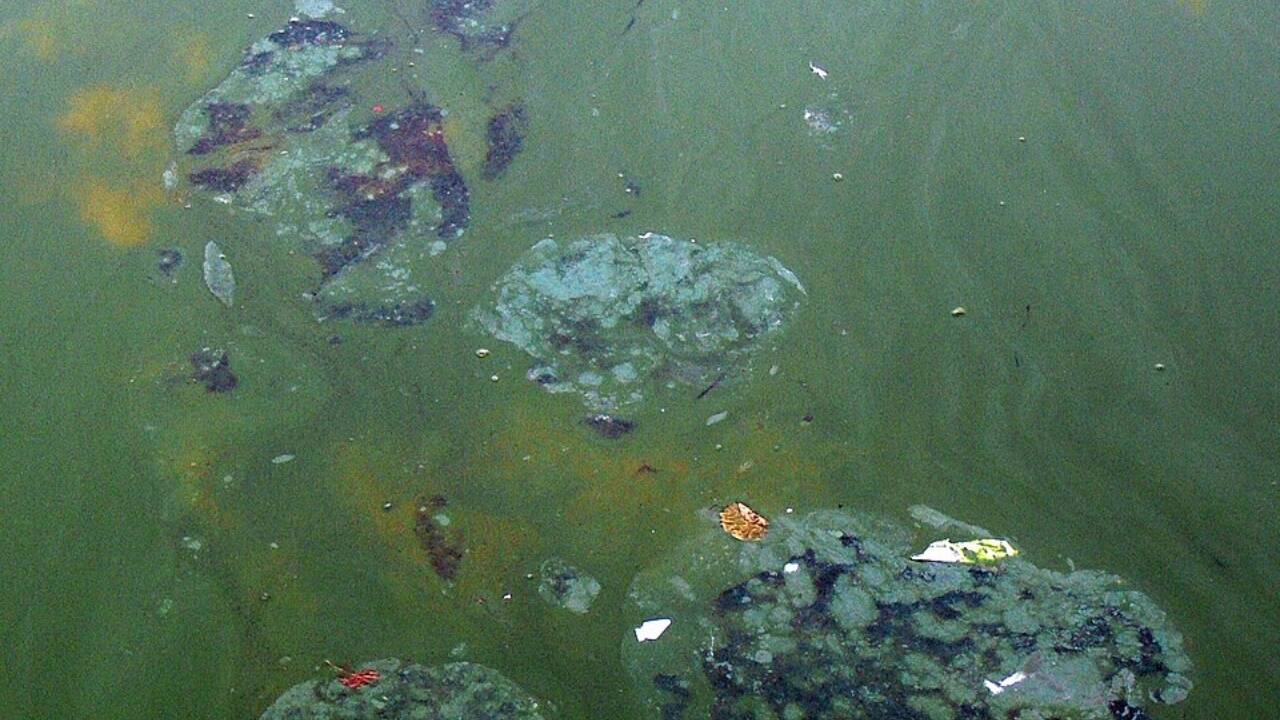
Microscopic cyanobacteria fundamentally altered Earth's chemistry by producing oxygen through photosynthesis. This transformation, known as the Great Oxidation Event, permanently changed the planet's atmosphere and oceans. Oxygen accumulation was a gradual process, with early production reacting with reduced compounds in the ocean. Ancient rocks show a disappearance of sulfur isotope fractionation, indicating rising atmospheric oxygen levels. This event laid the foundation for the evolution of complex life forms on Earth.