Ancient DNA from 521 mammoths reveals an Ice Age pattern: human-linked bone accumulations were about 70þmale, while natural remains were mostly male
A new genetic study of woolly mammoths offers clues about Ice Age human behavior. Analysis of 521 mammoths showed female remains dominated human-linked bone accumulations. This contrasts with male-skewed ratios found in dispersed natural settings. Researchers suggest predictable female herd movements aided human encounters and scavenging. The findings help reconstruct how ancient communities acquired vital mammoth resources.
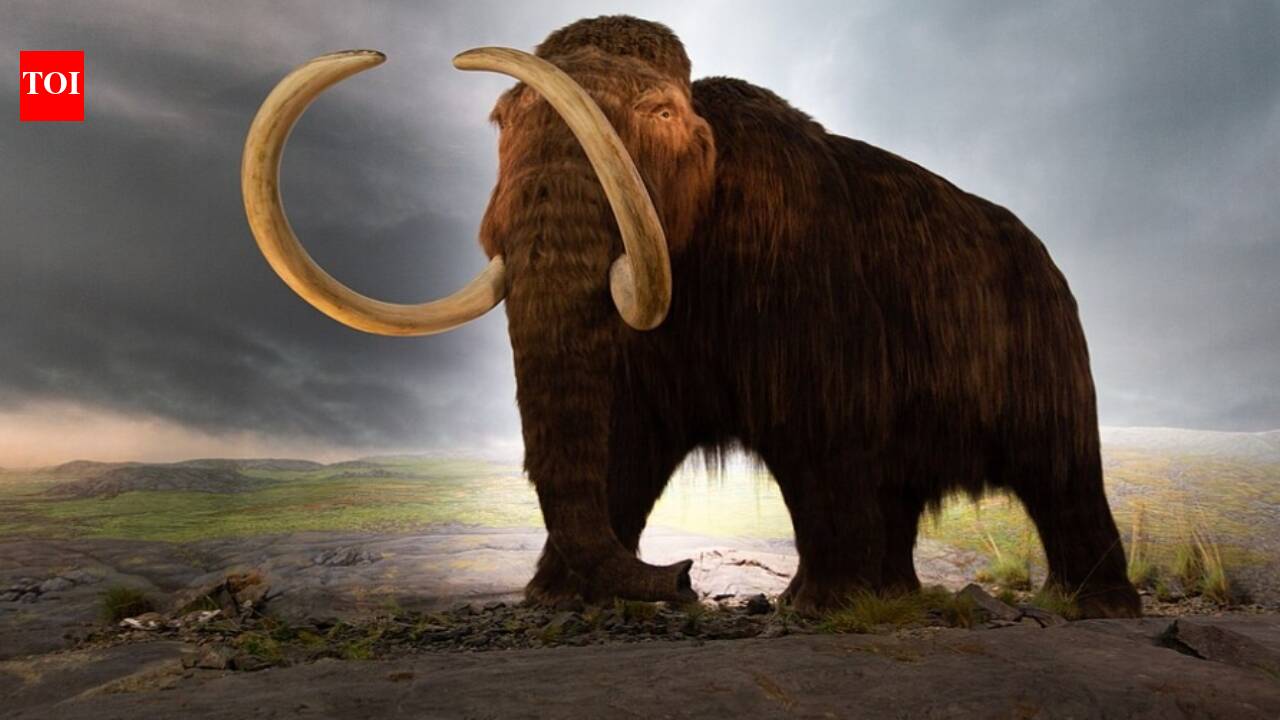
A new genetic study of woolly mammoths offers clues about Ice Age human behavior. Analysis of 521 mammoths showed female remains dominated human-linked bone accumulations. This contrasts with male-skewed ratios found in dispersed natural settings. Researchers suggest predictable female herd movements aided human encounters and scavenging. The findings help reconstruct how ancient communities acquired vital mammoth resources.